Ergonomics for the robot.
If humanoid robots use our tools, should those tools still be designed only around our hands?
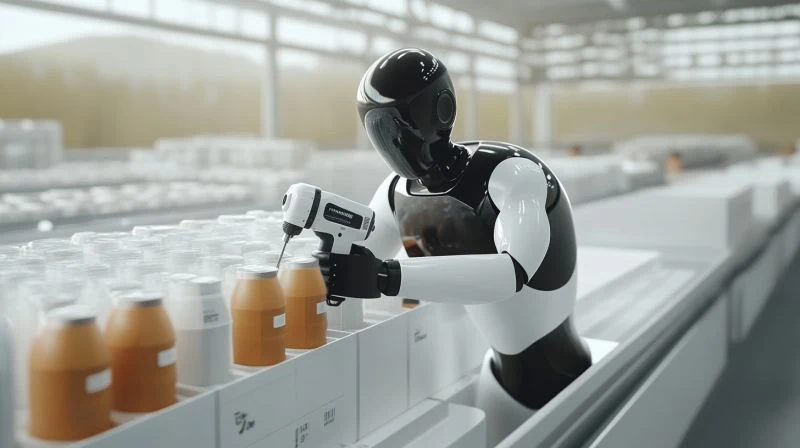
What would a power tool look like if the hand holding it belonged to a robot?
Can we work around a humanoid safely? Are its movements understandable? Is the interaction comfortable? These questions about humanoid ergonomics concern the person near the machine. They matter, but they leave another set of questions waiting on the other side of the interaction.
If a humanoid is doing the work, what is ergonomic for the robot itself? A body that resembles ours does not necessarily have the same grip, sensitivity or vulnerabilities. Designing everything around a human hand may give a robot access to familiar tools without giving it the most suitable ones.
That opens up some strange possibilities. Imagine a power tool with a grip and protective features developed around a robotic hand. Or technical clothing intended to protect a humanoid working in harsh conditions. Could transport be adapted around robot passengers or riders? Would a machine returning from a dirty shift need its own kind of shower?
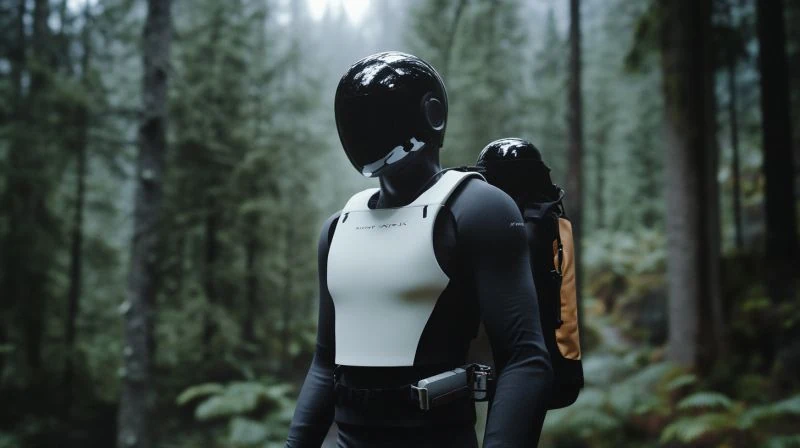
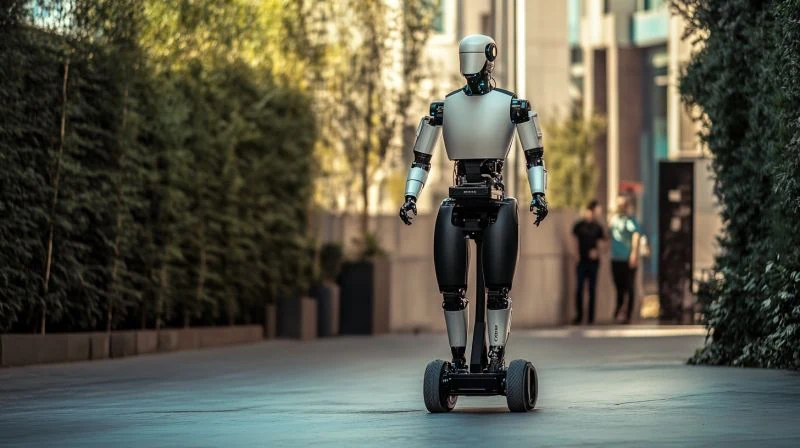
Following those possibilities changes the scale of the question. We start with one robot and end up considering the objects, equipment and spaces around it. The machine may be only the beginning of the design work.
Smartphones offer a familiar way to think about that. Alongside the device came cases, mounts, chargers and other objects that helped it fit into daily life. I wonder whether humanoids could produce a similar need to reconsider the things around them, even if the resulting products look very different.
Who would understand those needs first? The companies building the robots would know their machines. Established tool and equipment makers would bring knowledge of demanding tasks and working environments. New companies might see opportunities neither group considers central to its business.
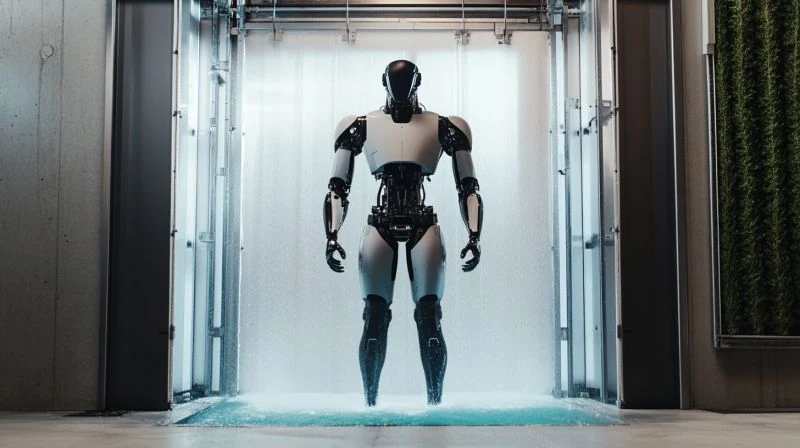
I do not know whether humanoid ergonomics becomes a design specialty. But I like the shift in perspective it asks of us. Before we give a robot a human tool, it is worth asking what we would design if we took its body seriously.