More options, an earlier decision.
An AI-assisted color, material and finish study took more than fifty generations. Its value was in what we could decide sooner.
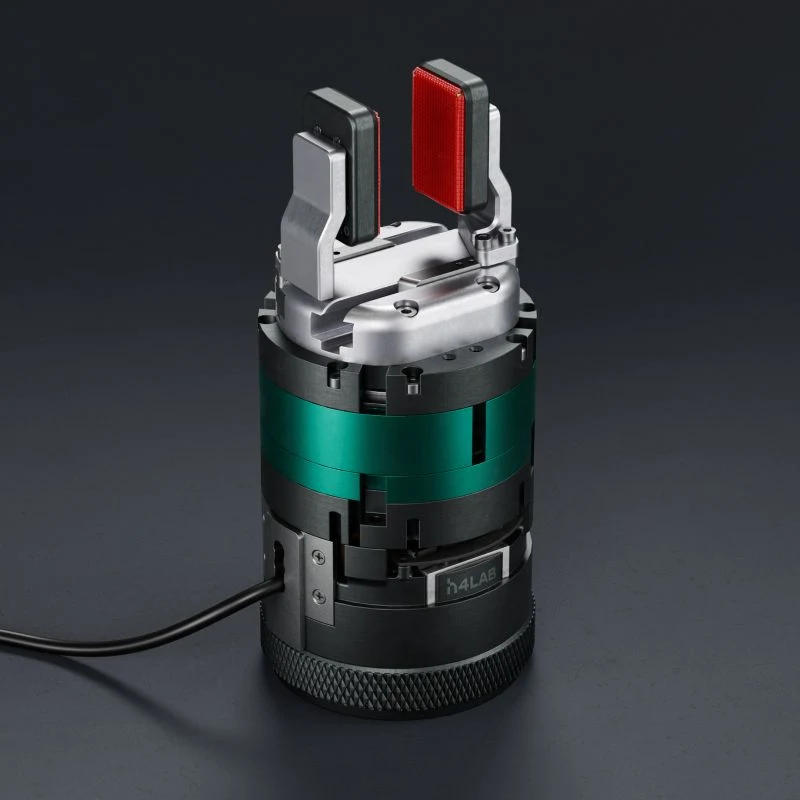
One project called for a wide range of color, material and finish directions. Each combination could give the same object a different character. Exploring that range was useful, but manually building every variation would also take time before we had agreed on a direction.
I tried a hybrid workflow. I took a grayscale screenshot of the model, brought it into Vizcom and supplied a set of CMF reference images. That gave the exploration a starting form and a set of visual references. From the first batch of concepts, I kept iterating through variations.
It was not an instant answer. I went through more than fifty generations. There was still a process of looking, evaluating and deciding what was worth pursuing. The difference was the speed at which I could put another possibility in front of me, compared with creating each version manually.
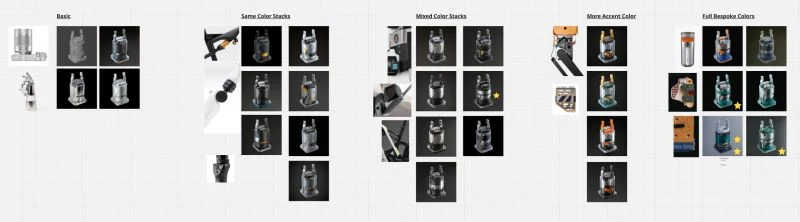
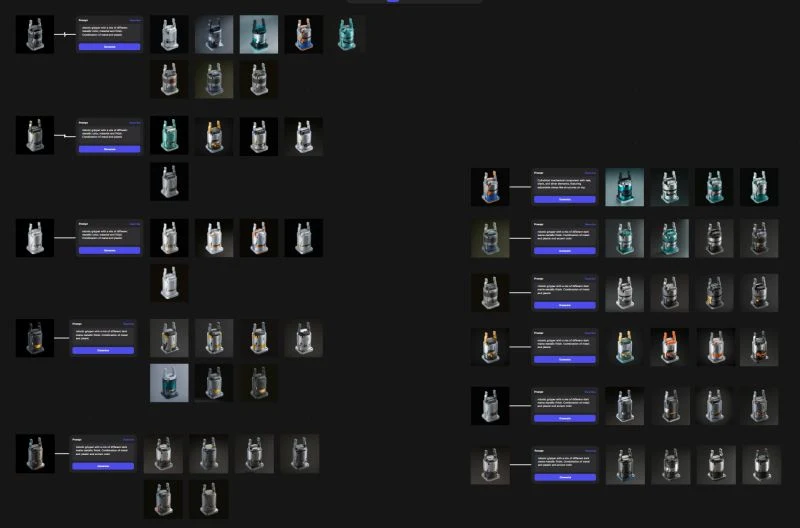
In a fraction of the usual time, I had a full board of viable visual directions to review with the client. We could compare the combinations together and establish a direction while the exploration was still open.
The benefit carried beyond the image-making stage. Seeing that range helped us align on a direction earlier, which saved time and cost in the work that followed. Faster exploration mattered because it brought a useful decision forward in the process.
The workflow made exploring more enjoyable, and the fifty-plus generations gave us more to evaluate. What made them worthwhile was reaching one clearer decision sooner.