Learning to value the breadth.
I used to resent how much an industrial designer was expected to know. As AI changes the work, that hard-earned breadth is starting to feel like an advantage.
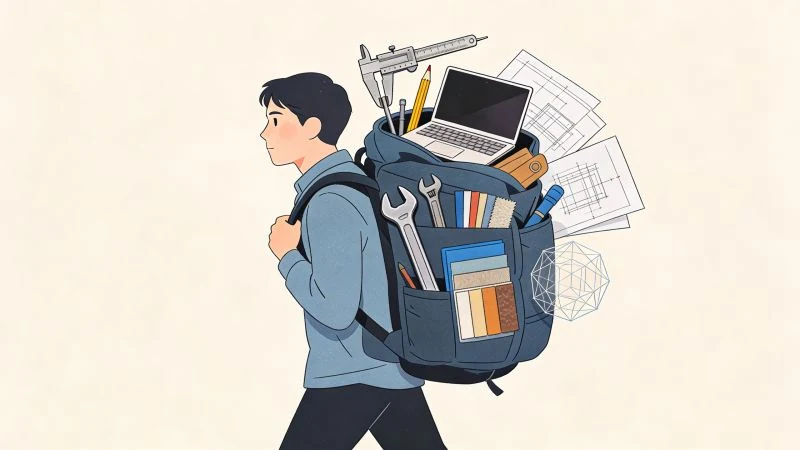
The things I used to hate about being an industrial designer are now the reason I love it.
Early in my career, I remember feeling like the bar to become a “fully capable” industrial designer was almost unfair. Every skill I learned seemed to reveal another one I was expected to have.
We had to understand design principles, ergonomics, manufacturing, assembly and environmental impact. We needed to sketch quickly enough to keep a conversation moving, then develop the idea with enough precision for someone else to build it. We had to learn CAD, often across several programs, and produce renderings that required a working knowledge of lighting, cameras and composition.
Then we had to source parts, talk to overseas vendors and work with engineers, marketing teams, leadership and clients. The same idea needed to make sense to people asking very different questions. And somewhere in all of that, the product still had to be good.
Here’s the part that used to sting the most: all of that wasn’t what made you a great designer. It was the baseline for being a functional one.
The economics made that harder to accept. Software, tooling and prototypes were expensive. Development took time, and the return could take much longer. Small design teams carried a wide range of responsibilities, yet I struggled to see that breadth reflected in how our work was valued. It was hard not to compare that with digital design, where the rewards seemed so much clearer.
But something has shifted.
As AI gets better at parts of our work, you might expect those hard-earned skills to feel less valuable. I’m starting to see the opposite. If producing an image or exploring a form becomes easier, what matters more is knowing what to question and what will happen when the idea has to become a physical thing.
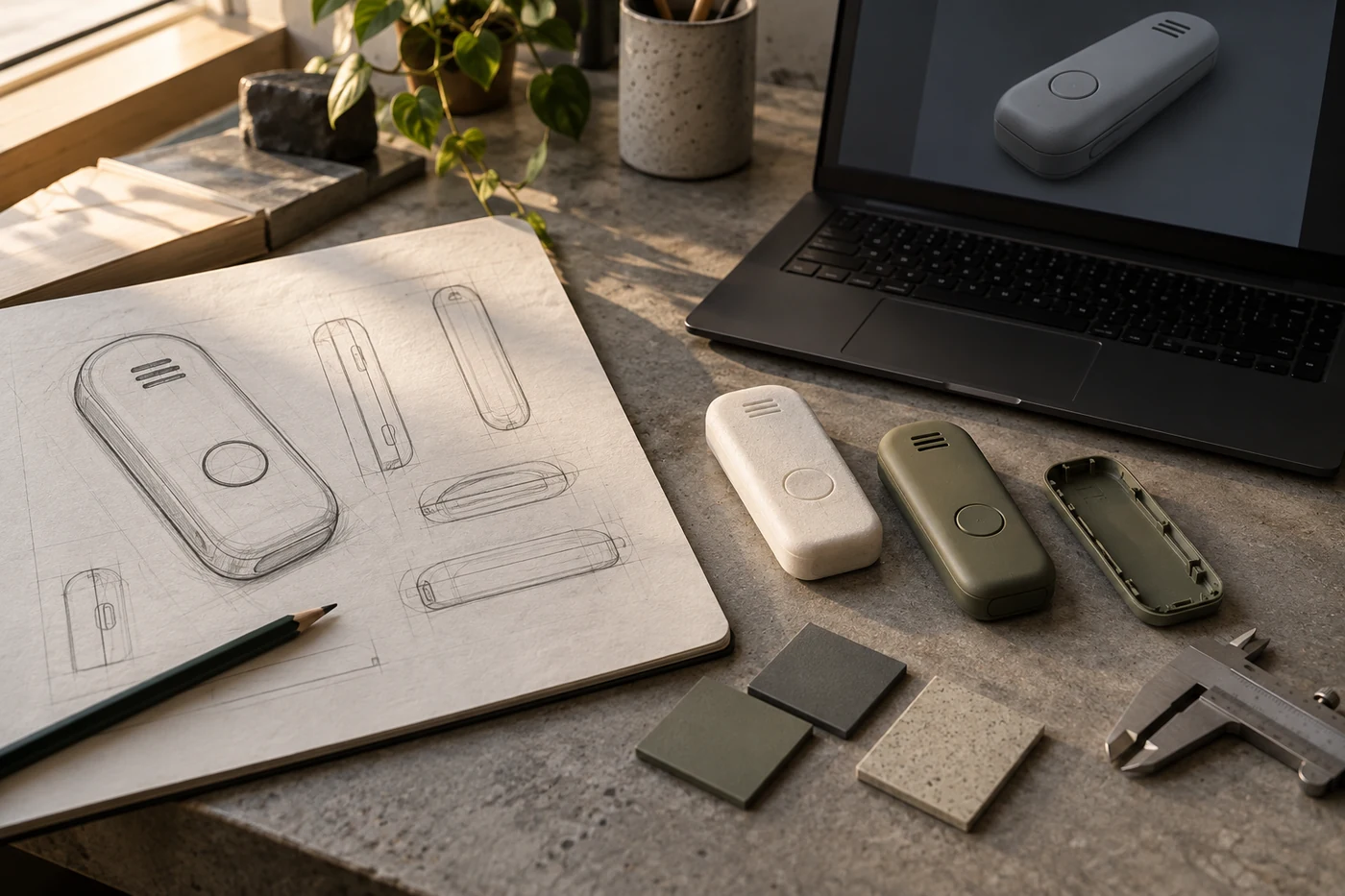
That is where the breadth starts to look different. A decision about form can affect how a product is held, how its parts come together and how it is made. Changing one of those things can undo the others. A convincing image can leave that relationship unresolved. Someone still has to recognise it, work through it and help other people understand why it matters.
We already move between the screen and the workshop, and between working alone and reaching decisions with others. That exhausting list of requirements has been teaching us to hold those things together.
The breadth that once felt like a burden is now a kind of armor.
And we already know how to keep learning. New software, new materials, new industries, new workflows: industrial design has never let us get comfortable with one way of working. AI gives that habit another place to go. We can bring years of accumulated judgment to tools that let us explore further.
Every hard year of having to learn everything is starting to pay back differently than I expected.
If you’re an industrial designer feeling the weight of how much this career demands, I get it. I think we’re in a strong position now. The complexity that made this path hard is also what makes the judgment we bring difficult to replace.