From image to object.
Revisiting an early collection of AI furniture images with a harder question: what would it take for any of them to become an object?
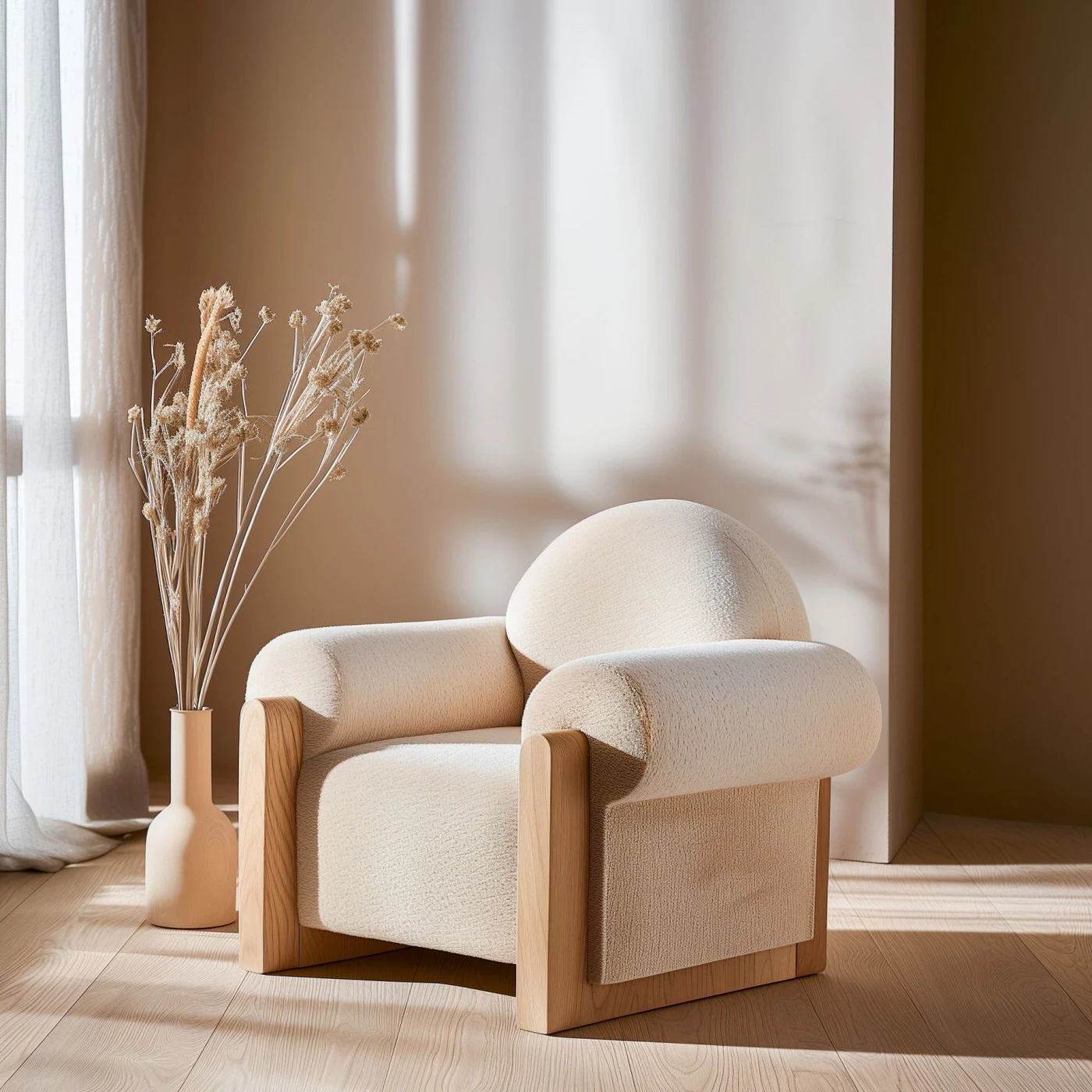
Between late 2023 and early 2024, I spent time testing the boundaries of generative AI. I used furniture to explore what the tools could produce, without trying to resolve those images into finished pieces.
I chose furniture because it stays close to everyday reality. We know what it means to sit in a chair. We have a sense of its scale before we start describing it. Whatever its appearance, it still has to deal with a body, a floor and gravity. That familiarity gives a generated image something concrete to be questioned against.
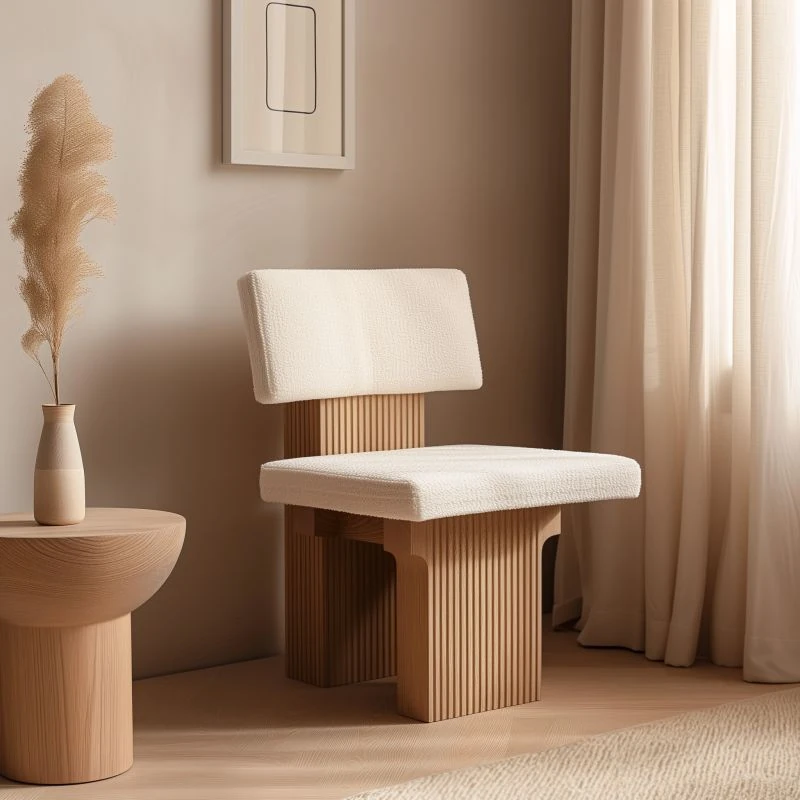
Returning to those images, I found the next question more interesting than the first. Could the tools help bridge the gap between something that looked plausible and something that could actually be built? An image alone could not answer that. I needed to carry the idea into a form where more of its assumptions would become visible.
That is the starting point for this series: taking the original AI outputs and translating them into usable 3D. I want to pay attention to what survives the translation, what begins to break down and where the image leaves a decision for me to make.
The images shown here are the beginning of that process. The interesting part is what happens when their promise has to become specific.